Tilos
Tilos
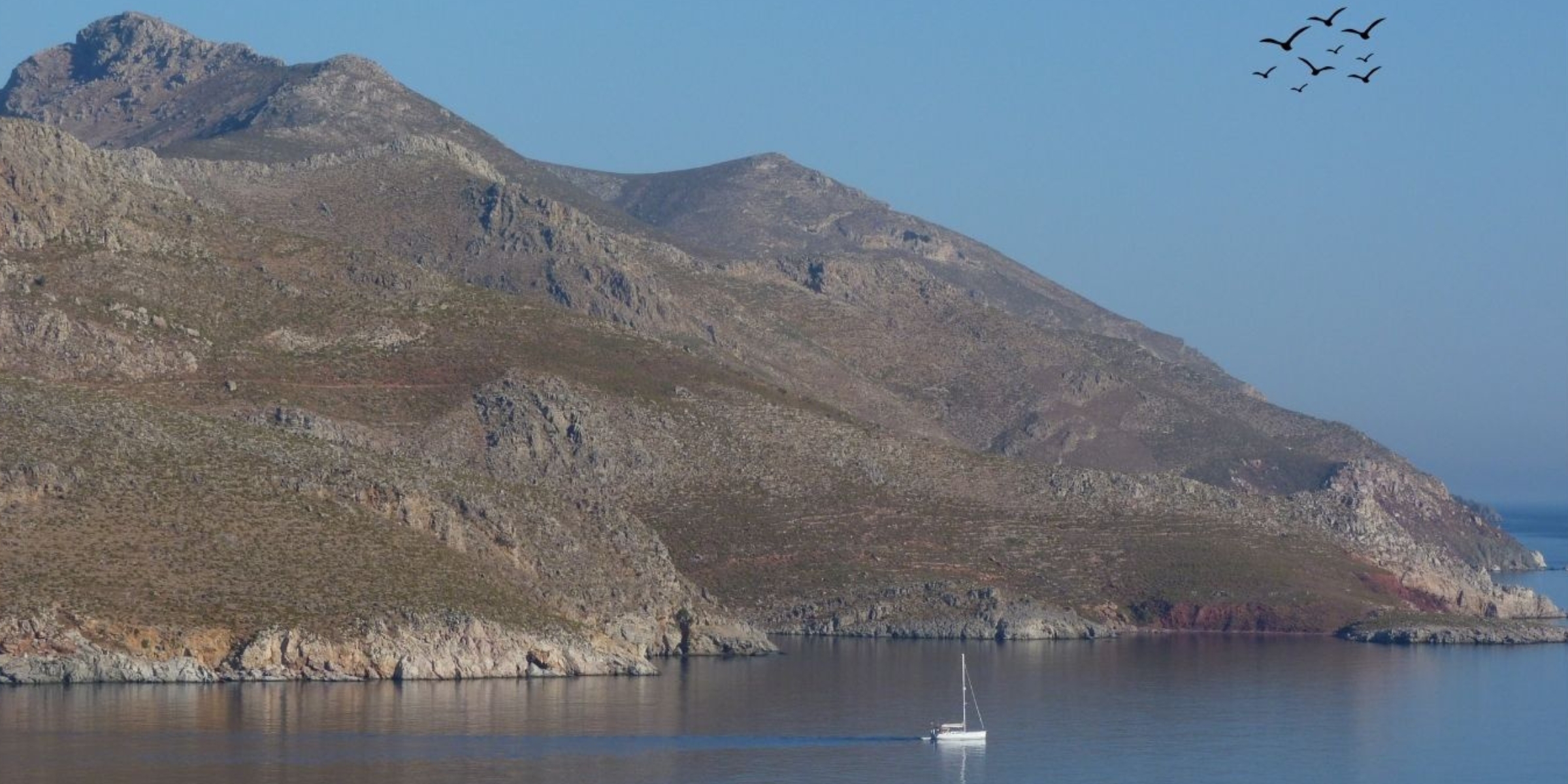
Tilos, the ecological jewel of the Dodecanese, is part of the Natura 2000 Network, thanks to its impressive variety of plants, flowers, and herbs, as well as the rare bird species that live or migrate here. The island combines lush mountains, fertile valleys with natural springs, intricate coastlines, and medieval castles, creating a landscape that enchants nature lovers, history enthusiasts, and travelers seeking calm, authentic experiences.
Tilos is also famous for its unique history: around 45,000 years ago, the last population of European elephants lived here, which over the centuries evolved into dwarf elephants. Today, the island stands out for another reason: it became the first energy-neutral island in the Mediterranean and the first certified zero-waste island in the world.
If you are looking for a destination where sustainability is a way of life, and that combines unique moments of relaxation, simplicity, and connection with nature, a holiday in Tilos is exactly what you are looking for.
How to Get to Tilos
You can travel directly by ferry from Piraeus, with a journey of approximately 14 hours, on limited schedules. A faster and more frequent option is to fly to Rhodes and then take a ferry to Tilos from the port of Skala Kamiros, reaching the island in about two to three hours. Alternatively, you can fly to Kos and continue by ferry to Tilos, also in about two to three hours.
Before planning your trip, make sure to check ferry schedules from Rhodes and Kos on ferrytips.com, as they do not operate daily.
Livadia
If you arrive in Tilos by ferry, Livadia will be your first view of the island. It is the port and the liveliest area of Tilos, where most shops, taverns, cafés, and accommodation are concentrated. The bay stretches over a kilometer and is an ideal spot for an evening summer stroll.
Megalo Chorio
The island’s capital lies beneath the Byzantine Castle of Agios Ioannis of Messaria, one of the seven medieval fortresses of Tilos. Built in the early 19th century, the village stands out for its stone houses, courtyards with pebble floors, and bougainvillea, combining traditional aesthetics with an authentic island atmosphere.
Mikro Chorio
The abandoned medieval settlement with stone houses and cobbled streets offers visitors an atmospheric experience. The village, deserted after World War II, preserves its magical character with the beautiful 15th-century Byzantine churches.
Getting Around
Due to its small size, Tilos is easy to explore. Visitors can stroll through the picturesque village streets or rent a car, motorbike, or bicycle for more convenience. Remote beaches and points of natural interest are connected by marked hiking trails, while small boats provide access to even more secluded shores.
Beaches in Tilos
Eristos
The island’s most popular beach is with wide golden sand and emerald waters. Surrounded by high cliffs, it features secluded coves for privacy. Ideal for sunbathing and swimming in the cool waters supplied by springs from the valley.
Livadia
An organized beach next to the port, with white pebbles and sand, sunbeds, natural shade from tamarisks, and many taverns and café options. Suitable for families and water sports such as canoeing and windsurfing.
Agios Antonios
A picturesque beach with rocks, palm trees, tamarisks, and crystal-clear waters. Perfect for diving, featuring submerged ancient ruins to explore.
Plaka
A small cove with pebble shores and blue crystalline waters, surrounded by eucalyptus trees. Ideal for peaceful moments of isolation and reflection, and famous for the peacocks roaming freely.
Attractions & Activities in Tilos
Messaria Castle
Built in the 15th century by the Knights of St. John on a Hellenistic acropolis, offering unobstructed views of Eristos, Livadia harbor, and the Aegean. Inside are the ruins of the Byzantine Church of Archangel Michael, with a decorative pebble courtyard and bell tower.
Paleontological Museum
Houses findings from the Harkadio Cave of Messaria, including over 15,000 fossilized dwarf elephant bones and Neolithic pottery. It provides a unique insight into Tilos’s prehistory and the life of these rare animals.
Hiking Trails
Tilos has around 30 marked hiking trails that pass through valleys, mountains, beaches, and historical monuments, offering unique experiences for beginners and experienced hikers alike. Popular routes connect Megalo Chorio with Agios Antonios or Skafi Beach, while circular trails start from Livadia and lead to Kokkini and Lethra beaches. Hikers can enjoy panoramic views, spot rare birds, and reach secluded beaches such as Skafi, Agios Zacharias, and Lethra.

.jpg?attachment=false&wm=false)
Ready to book your next ferry travel?
Find the best route at the best price and book your tickets online easily, quickly and safely.